 EN
EN


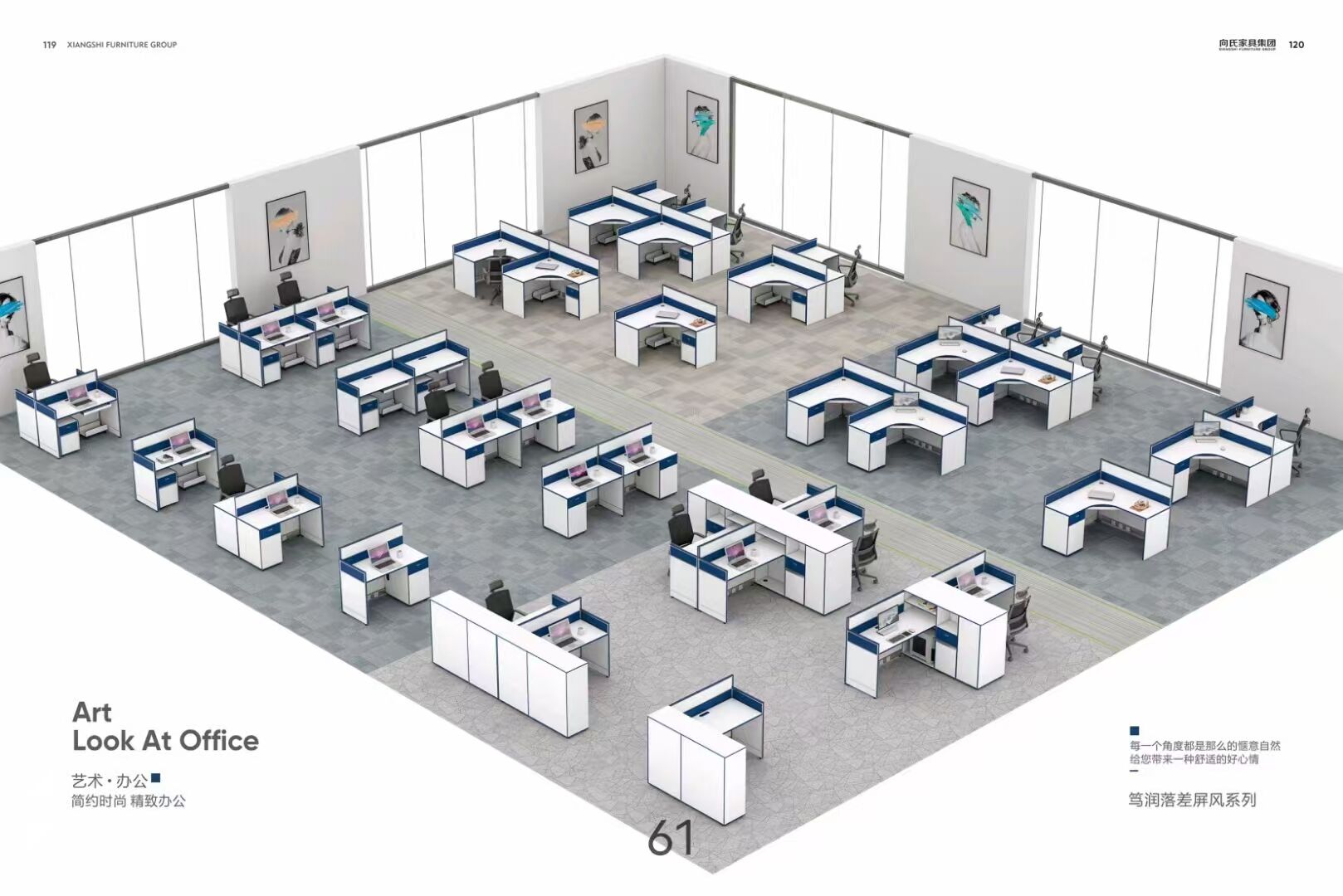
Adapting to Hybrid and Flexible Work Models
Hybrid and flexible work models now dominate 70% of enterprises (Gartner 2024), demanding office furniture solutions that dynamically respond to shifting spatial requirements. This evolution necessitates environments that fluidly accommodate both in-office and remote collaboration.
Modular furniture systems that scale with team size and structure changes
Modular components including things like partition walls, mobile desks and stackable seating make it possible to rearrange spaces on the fly as team sizes change or project needs shift. Static setups just don't cut it anymore. These flexible systems can cut down relocation expenses by around 40 percent when departments need reshuffling. The reason? No need for major construction work every time there's a layout change. Standard connectors and parts that swap out easily let facility staff set up temporary work areas for guest teams or take apart sections and store them away when occupancy drops off during slower months. Many offices have found this approach works wonders for adapting to fluctuating workforce demands without breaking the bank.
Reconfigurable layouts enabling seamless transitions between collaborative, focused, and remote-integrated work
Zoning strategies powered by movable furnishings let workspaces transform within minutes:
- Sound-dampened focus pods rotate to form open collaboration rings when needed
- Height-adjustable tables with integrated power bridge physical and virtual teams
- Mobile whiteboards partition areas for brainstorming then stow compactly
This agility eliminates the “dead zone” phenomenon in static offices, where 30% of space goes underutilized daily (IFMA 2023), ensuring continuous alignment between spatial configuration and evolving work modalities.
Ergonomic Office Furniture Solutions for Employee Health and Productivity
Sit-stand desks and dynamic workstations: clinical evidence on reduced musculoskeletal strain
Adjustable height desks are pretty good at fighting off the problems caused by sitting all day long. Research from Cornell back in 2023 found that people who switch between sitting and standing positions roughly every half hour to an hour experience about 54% fewer cases of lower back pain. These dynamic stations let workers make small movements throughout their day which helps blood flow better and keeps the spine properly aligned. The best part? Workers don't lose concentration on what they're doing while getting these benefits. One long term study actually saw a drop of around 17% in reports of muscle and bone related issues among office staff using these adjustable setups regularly.
Task-specific ergonomic chairs and accessories: supporting posture, circulation, and sustained focus
Proper seating systems target physiological stressors through three key mechanisms:
- Lumbar supports maintaining natural spinal curvature during extended tasks
- Contoured seat pans distributing pressure to prevent numbness
- Adjustable armrests eliminating shoulder strain during computer work
These features collectively enhance blood flow by 12% compared to standard chairs (Ergonomics Journal 2023), directly combating fatigue. Synchronized accessories like monitor arms and footrests complete individualized posture ecosystems, reducing repositioning frequency by 22% and extending productive focus periods.
Sustainable Office Furniture Solutions with Proven Environmental Impact
Lifecycle-verified materials: recycled steel, FSC-certified wood, and bio-based upholstery foams
Office furniture makers are now turning to materials that have been tracked throughout their entire life cycle to cut down on environmental impact. Take recycled steel for instance it uses about three quarters less energy than making steel from raw ore, plus it keeps tons of industrial scrap out of landfills. When companies choose FSC certified wood, they know the trees came from forests managed properly, which helps protect wildlife habitats and actually captures carbon dioxide from the air. The foam used in seating has changed too. Many manufacturers now use bio-based options made from things like soybeans or algae instead of traditional petroleum based stuff. This switch cuts harmful chemical emissions by around half. What makes all this work is the circular approach where old furniture parts get reused in new products. Companies that go this route typically see their waste disposal bills drop by about 30%, and they often qualify for those tough green building certifications like LEED as well.
| Material | Environmental Benefit | Commercial Impact |
|---|---|---|
| Recycled steel | 75% energy reduction vs. virgin steel | Lower production costs |
| FSC-certified wood | Preserves biodiversity & carbon sinks | Enhanced brand reputation |
| Bio-based foams | 60% fewer VOC emissions | Healthier indoor air quality |
This materials shift demonstrates how science-backed office furniture solutions tangibly advance corporate sustainability goals while appealing to eco-conscious talent and clients.
Frequently Asked Questions
What is a hybrid and flexible work model?
A hybrid and flexible work model refers to work environments where employees can seamlessly transition between working in-office and remotely, often with adaptable furniture and technology systems to support changing needs.
How can ergonomic office furniture improve employee health?
Ergonomic office furniture can reduce musculoskeletal strain by encouraging frequent posture changes, improving circulation, and maintaining proper alignment, thereby minimizing health issues related to prolonged sitting.
Why are sustainable materials important in office furniture?
Sustainable materials, such as recycled steel and FSC-certified wood, help reduce environmental impact by conserving energy, preserving biodiversity, and contributing to healthier indoor air quality.