 EN
EN


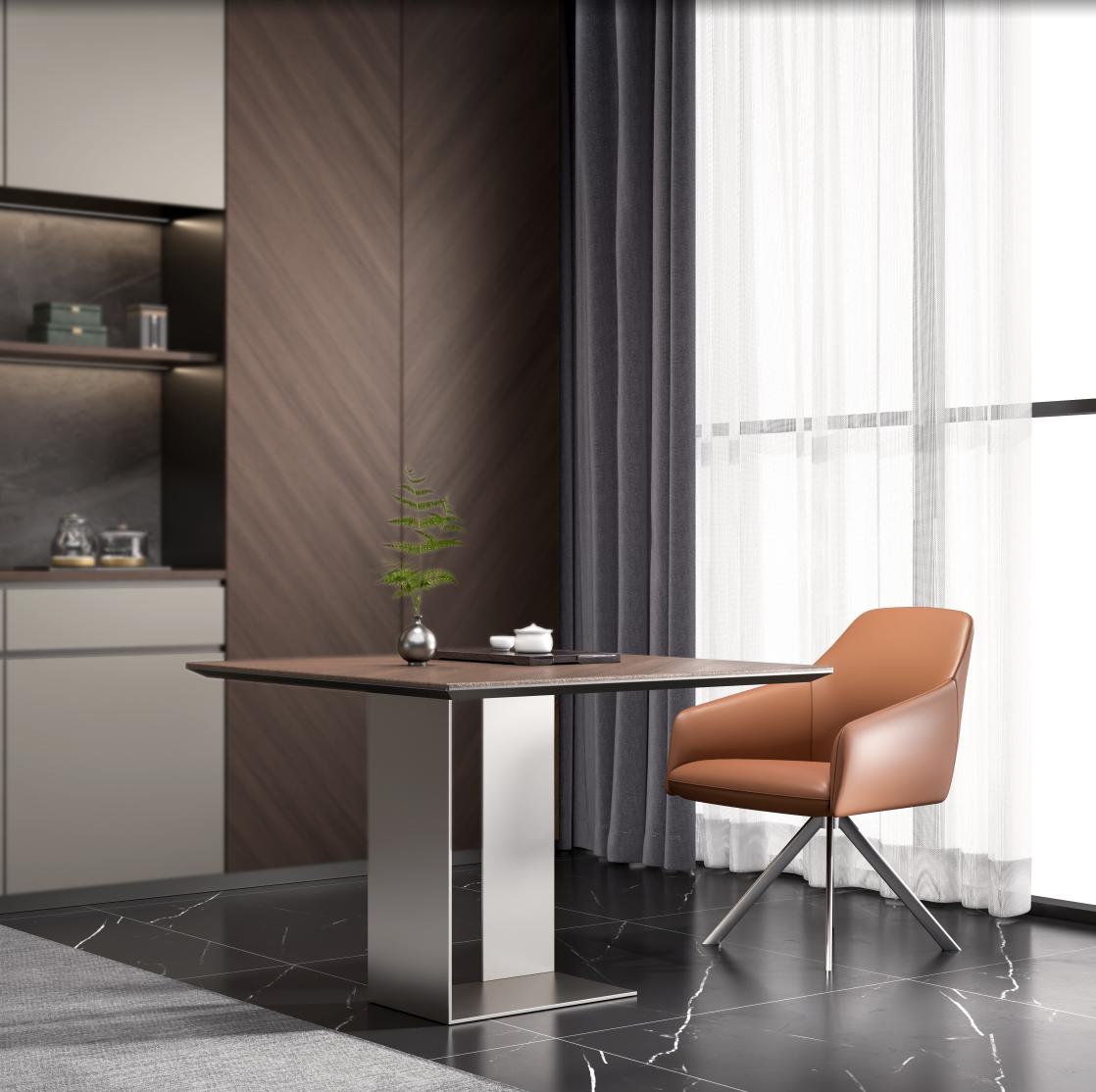
The Strategic Rise of the Coffee Table in Modern Office Design
The way offices are designed has changed quite a bit over the years. We've moved away from those old cubicle setups to more open spaces where people actually want to work together and feel good while doing it. Coffee tables have become something much more important than just furniture for displaying plants or coffee mugs. They sit right at the heart of these new office layouts. When placed properly, their lower height makes them perfect spots for people to gather naturally without feeling forced. Think about it compared to regular meeting tables which tend to create a formal atmosphere. Coffee tables let teams bounce ideas around casually during breaks or between meetings. According to studies done by IFMA, when companies create these kinds of informal hangout areas, workers end up getting things done faster. Some reports even suggest productivity goes up around 15% because there's less pressure from traditional hierarchies hanging over everyone's head.
Coffee tables these days do a whole lot more than just hold cups of coffee. They host those quick stand up meetings we all love so much, support people working on laptops when they need a break from their desks, and even come equipped with digital screens for last minute presentations. Most designers are going crazy for materials that can take a beating but still look good next to some nice plants around the office. Think thermal fused laminate or powder coated steel surfaces that resist spills and scratches day after day. With so many companies switching to hybrid work arrangements, these tables adapt really well to changing numbers of people coming into the office. Some folks might be heads down working individually while others gather around for brainstorming sessions. Putting them near windows where sunlight streams in makes a big difference too. Studies show that being close to nature boosts focus and mood, which is why forward thinking offices simply cannot function without these versatile pieces anymore.
Smart and Sustainable Coffee Table Innovation
Modern office coffee tables now blend cutting-edge technology with environmental responsibility—enhancing user experience while advancing corporate sustainability goals.
Integrated technology: Wireless charging, adaptive height, and seamless cable management
Modern coffee tables now come equipped with wireless charging spots that cut down on tangled cables, adjustable heights so people can easily switch from sitting to standing while working together, plus hidden channels for keeping power cords and data lines out of sight. A study from the Journal of Corporate Real Estate back in 2023 found these design improvements actually cut down workspace frustrations by about 40%. Employees end up wasting less time fiddling with their gadgets and instead get to focus on what really matters during meetings and projects.
Eco-conscious materials: FSC-certified wood, recycled metals, and biodegradable composites
More and more manufacturers are going for materials that have real green backing these days. Take FSC certified wood for instance, which comes from responsibly managed forests. Then there's recycled aluminum and steel that keeps industrial scrap out of landfills instead of just tossing it away. And don't forget those biodegradable composites made from fast growing plant fibers that actually perform better than regular plastic stuff derived from oil. According to a recent study from the Sustainable Furnishings Council in 2024, companies that switched to certified eco-friendly office furniture cut down on their carbon footprint by around 30%. So basically, picking greener materials doesn't just look good on paper but actually helps take care of our planet too.
Biophilic Aesthetics and Human-Centered Functionality
Organic forms, natural textures, and living elements that lower stress and spark connection
Coffee tables designed with biophilic principles actually become wellness boosters when they bring nature's healing power right into office spaces. Research from Environment and Behavior suggests that tables with organic shapes like gentle curves or unique wood grain can cut down stress hormones by around 15%. Materials such as raw oak, bamboo, and cork offer a warm touch and softer sounds compared to cold plastic surfaces, which helps combat the burnout many experience in modern work environments. Adding living elements makes these tables even better for well-being. Moss gardens built into tabletops or small indoor gardens incorporated into designs have shown real results. According to the Human Spaces Global Report from 2023, people who spend time near plants tend to have better heart health markers, and folks in offices with green spaces interact more spontaneously with colleagues about 22% of the time. What we're really seeing here is not just fancy furniture design but something deeper happening. These pieces reconnect us with our natural world in subtle ways, making those quick coffee breaks moments of genuine connection instead of just another task on the to-do list.
Designing for Hybrid Collaboration: The Coffee Table as a Cultural Catalyst
Coffee tables have become important spots for teamwork in these mixed work setups we see everywhere now. They're placed strategically in common areas like open spaces, near building entrances, or next to those café-style seats where people hang out. This setup naturally brings together folks from different departments and levels within the company, helping break down those pesky communication barriers between groups. The 2023 Workplace Dynamics Report actually found something interesting about this too. When employees interact informally around shared tables, their ability to solve problems creatively jumps up by about 34 percent compared to when they meet up formally. For companies dealing with both remote workers and those physically present, these tables do double duty as real objects and symbols of unity. They ground everyone in the same space, show that all voices matter, and help maintain a sense of belonging among staff members. Modern coffee tables come with lots of options these days. Some have adjustable heights, built-in tech ports, and modular designs that let them adapt to whatever task comes along. Whether someone needs to scribble ideas on a whiteboard or connect two screens for virtual meetings, these tables handle it all. What makes them really special though is how they foster those spontaneous chats that just don't happen during Zoom calls. Over time, coffee tables transform from simple pieces of furniture into something much bigger for organizations looking to build stronger connections and develop a more flexible, understanding workplace culture.
FAQ
Why are coffee tables becoming important in modern office design?
Coffee tables are now integral in modern office design as they provide informal meeting spaces conducive to creativity and productivity, unlike traditional meeting tables that create a formal atmosphere.
What features do modern coffee tables offer?
Modern coffee tables offer integrated technology such as wireless charging, adaptive heights, and cable management, fulfilling the needs for easy transitioning, neatness, and tech integration.
How do coffee tables contribute to sustainability?
They are made using eco-friendly materials like FSC-certified wood, recycled metals, and biodegradable composites that reduce a company's carbon footprint while still offering aesthetic and functional benefits.
In what ways do coffee tables improve well-being in the workplace?
Coffee tables designed with biophilic elements like natural textures, organic forms, and living components reduce stress and promote interactivity, which improves overall wellness in the workplace.
How do coffee tables facilitate hybrid collaboration?
Coffee tables, strategically placed, become hubs for informal interactions and collaboration, aiding in communication and creativity and acting as cultural catalysts in mixed work environments.