 EN
EN


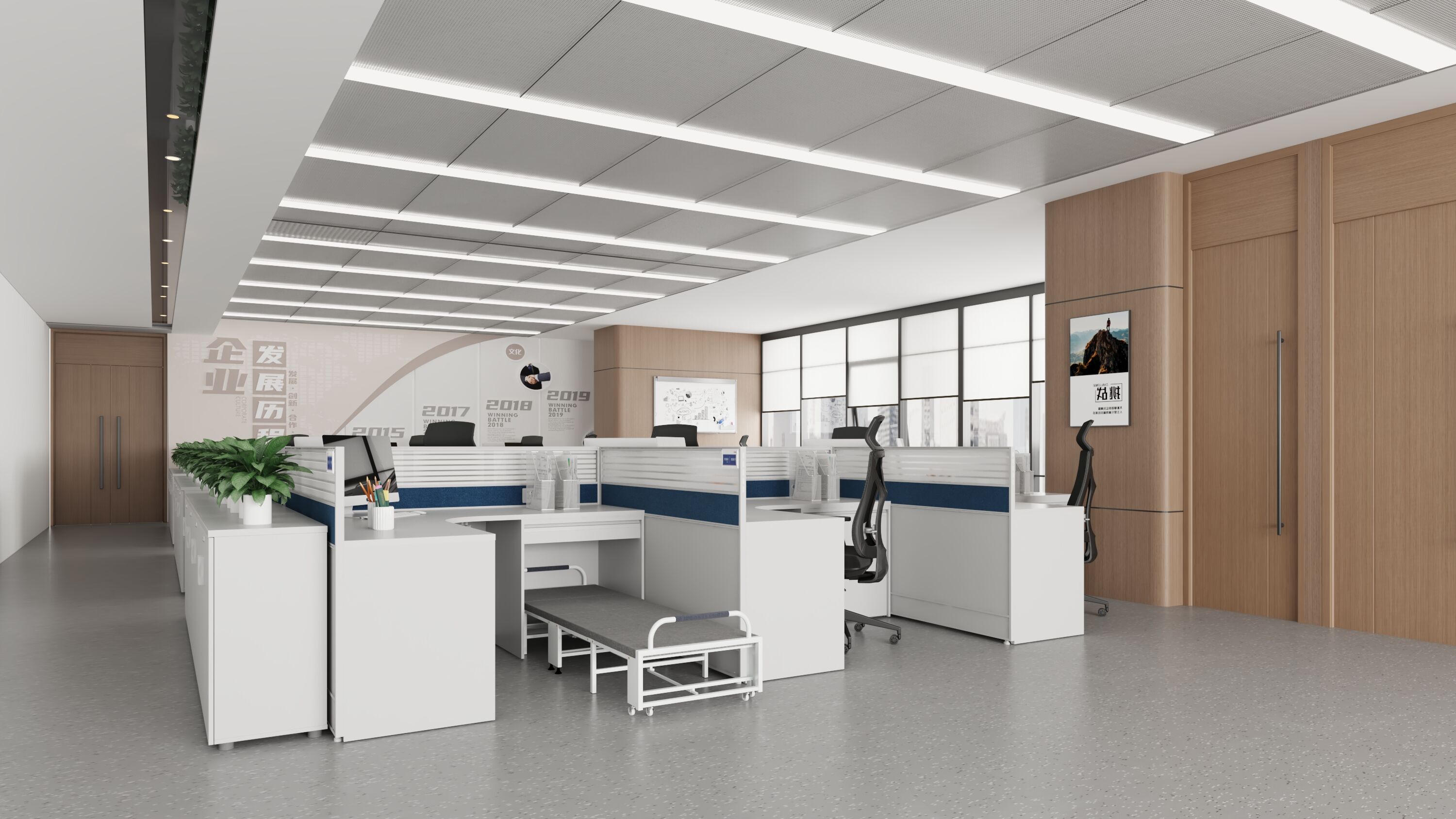
How Custom Commercial Office Furniture Enhances Operational Efficiency
Ergonomic Alignment with Workflow and Real Estate Strategy
Custom commercial office furniture that's thoughtfully designed helps match physical workspace with how people actually work and what makes sense for real estate planning. When companies adjust things like desk sizes, where different areas are located relative to each other, and how adjustable features work for particular jobs, they can cut down on wasted movement around the office. Some studies show this approach can reduce walking distances between team spaces and private work areas by about 15-20%. Workstations that let employees change heights fit all sorts of body shapes better, and vertical storage options free up valuable floor space without making items hard to reach. All these considerations help with predicting staff numbers, budgeting for facilities, and hitting those productivity goals per square foot of space used. What was once just another expense item becomes something that actively contributes to business success.
Case Study: Tech Startup Cut Footprint by 22% Using Integrated Custom Commercial Office Furniture
One growing software firm tackled wasted space problems by installing special workstations that combined storage solutions, neat cable organization, and tables that could change shape as needed. What they did was bring together all those separate meeting spots and personal desks into flexible work areas that can be rearranged quickly. This cut down on the total floor space needed from about 8,500 square feet down to just over 6,600 square feet which is roughly a 22 percent saving. The modular design meant when teams grew bigger there was no need for major renovations or waiting for contractors. These specially designed office setups not only save space right away but also make it easier for companies to adapt their workspace as business needs change over time.
Space Optimization Through Multifunctional and Vertical Custom Commercial Office Furniture
Dual-Purpose Design and Vertical Utilization Expand Usable Area by 37%
Custom multifunctional office furniture tackles space problems head on by combining storage areas, seating options, and work surfaces all into one piece. Desks that can also serve as filing cabinets and lounge chairs with built-in power outlets cut down on the amount of floor space needed by about 30 percent according to a recent Workspace Efficiency study from 2023. Looking upwards makes sense too. Wall shelves placed above desks and files hanging from ceilings make good use of empty air space, increasing available working area by nearly 40 percent in some cases. For businesses operating in expensive city centers where rent runs around $740 a year for each square foot (Ponemon Institute numbers), getting creative with vertical space saves money without needing to move offices or haggle over new leases.
Case Study: Law Firm Achieved 40% Storage Uplift with Modular Built-In Desking Systems
A mid-sized law firm replaced standalone filing cabinets with modular desking systems featuring integrated drawers, overhead cabinets, and sliding privacy panels. The redesign:
- Consolidated document storage within desk structures
- Used vertical dividers for secure, client-specific file organization
- Freed 28% of floor space previously occupied by freestanding cabinets
Post-installation metrics revealed a 40% increase in accessible storage capacity—without expanding square footage—and reduced average daily document retrieval time by 15 minutes per employee. That translated to over 6,500 recovered productivity hours firmwide in the first year.
Agile Layout Optimization Enabled by Modular Custom Commercial Office Furniture
Custom modular office furniture for commercial spaces can turn boring, unchanging environments into adaptable workspaces that match different activities throughout the day. Traditional fixed setups just don't cut it anymore when compared to flexible systems where workers can rearrange desks, walls, and storage units within half an hour or so. This kind of flexibility means companies can allocate space according to who actually needs it at any given moment, which research from spatial utilization studies back up showing around 37% less wasted floor space since 2023. Businesses that have adopted this approach with activity zones report getting through projects about 29% quicker because there's less hassle setting things up and teams tend to work better together. The real money saver comes from avoiding expensive renovations and those permanent construction jobs, so companies protect their investment in office space even as business needs change over time.
Selecting the Right Custom Commercial Office Furniture Partner for Long-Term ROI
Key Vendor Criteria: Certification, Lead Time, Scalability, and Post-Installation Support
When choosing suppliers, check their industry certifications first, especially if they meet BIFMA standards. This helps guarantee furniture will stand up to regular use and maintain proper ergonomics over time. Pay close attention to delivery schedules too. If shipments get delayed past eight weeks, mid-sized companies often face serious financial hits, sometimes losing around $18,000 each month in lost productivity. The ability to scale matters just as much. Good partners should offer flexible designs that grow alongside businesses, so organizations don't end up replacing entire systems when expanding operations. Don't forget about what happens after installation either. Look for companies that back products with at least five years warranty coverage and have technicians available round the clock for repairs. Studies show this kind of support cuts down on equipment downtime by nearly half. All these factors combined help protect investments in the long run, keeping expenses low throughout the product life cycle while making sure everything works together smoothly from day one.
Avoiding Common Pitfalls: Over-Customization, Integration Gaps, and Lifecycle Mismatch
Don't get carried away with customization at the expense of flexibility. Better to go with adaptable components rather than creating completely custom builds that lock things down too tightly. Integration problems happen all the time when office furniture doesn't work well with existing systems like heating, lighting setups, or computer networks. These issues can be avoided by doing proper 3D planning before installation and checking if everything will actually fit together properly. Another common problem is when design elements or functional features go out of style or stop working effectively long before they need replacing. This happens because companies choose trendy stuff instead of durable options. To avoid this trap, stick with classic materials, keep color schemes simple and versatile, and use standard connection points wherever possible. Companies that tackle these three main issues tend to see their furniture last about 30% longer on average while spending around 22% less money on replacements over time. When looking at what vendors say about their products, always check what real customers have experienced. Talk to businesses in related fields or ones going through similar expansion phases to get honest feedback about whether the promises match up with actual results in practice.
FAQ
Why is custom commercial office furniture beneficial for businesses?
Custom office furniture allows businesses to tailor their workspace to fit specific needs, improving ergonomic alignment, enhancing workflow, and optimizing space use. This not only contributes to operational efficiency but can also lead to cost savings and better employee performance.
How does multifunctional furniture save space?
Multifunctional furniture combines elements like storage, seating, and work surfaces into one unit, which reduces the need for separate pieces of furniture. This consolidation can significantly decrease the amount of floor space required and free up areas for other uses.
What should companies look for in a custom furniture vendor?
Businesses should seek vendors with industry certifications, prompt delivery times, scalability options, and extensive post-installation support. Ensuring these factors helps safeguard long-term investment and maintain operational efficiency.
What are the risks of over-customization in office furniture?
Over-customization might lead to inflexible setups that are hard to adapt as business needs evolve. It's better to choose adaptable furniture components that integrate well with existing office systems and infrastructure.
Table of Contents
- How Custom Commercial Office Furniture Enhances Operational Efficiency
- Space Optimization Through Multifunctional and Vertical Custom Commercial Office Furniture
- Agile Layout Optimization Enabled by Modular Custom Commercial Office Furniture
- Selecting the Right Custom Commercial Office Furniture Partner for Long-Term ROI
- FAQ