 EN
EN


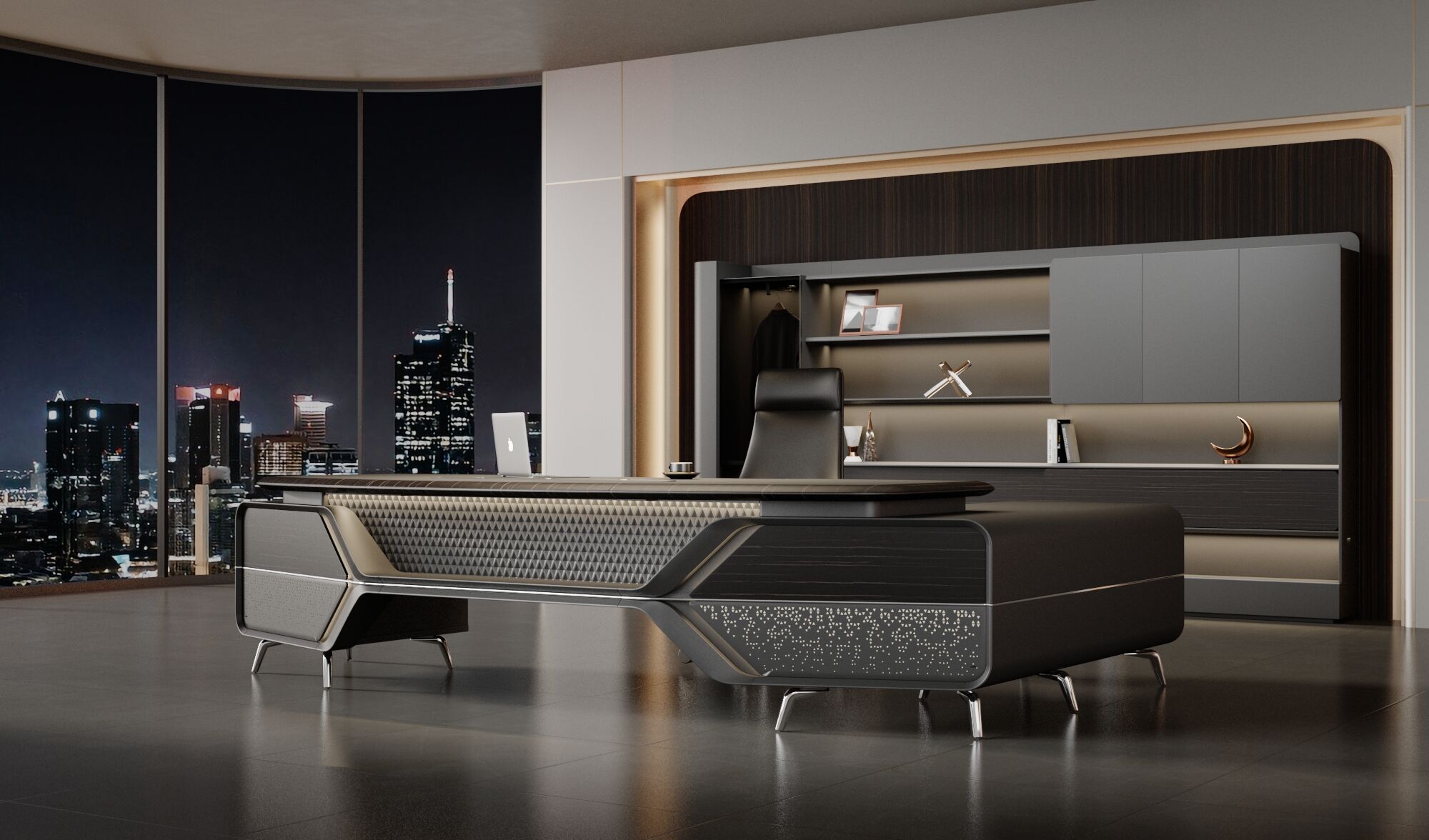
Strategic Desk Placement and Leadership Presence
The Power Position: How Orientation and Sightlines Reinforce Authority
Putting the executive desk facing the entrance is often called the power position because it gives the person sitting there a full view of what's going on in the room and at the door. When someone sits this way, they naturally project control just by being able to see everything happening around them. This setup actually works well with what we know about how people interact with their surroundings and also helps prevent back pain during those long strategy meetings. Studies published in the Journal of Environmental Psychology last year found that leaders who can see their whole workspace get interrupted less often when discussing important matters. Most offices keep about seven to ten feet between the main desk and where guests sit, creating a clear space for serious business talks. But if the boss wants to chat informally or mentor someone, bringing chairs closer makes sense too. Don't put desks against walls though, since that feels closed off and limits visibility. Also watch out for desks right below windows, as sunlight coming from behind creates glare problems and makes it hard to read faces clearly.
Collaborative vs. Command Layouts: Matching Spatial Design to Leadership Philosophy
How someone arranges their desk says a lot about how they lead. Bosses who run things from the top down tend to go for big L-shaped desks or solid central workstations. These setups create a clear focal point in the room and signal decision-making power. They often come with built-in tech stations but leave little space for visitors to sit down. On the flip side, managers who want collaboration usually opt for round tables or U-shaped layouts where everyone can reach across the surface easily. There's actually some interesting research coming out this year showing teams working around circular desks report about 34% more creative ideas during meetings. Some offices are mixing it up now with movable tables next to main desks so leaders can switch between being authoritative and facilitative as needed. At the end of the day, what kind of desk someone picks tells us if their company values fast decisions from one person or thrives when people work together to solve problems.
Ergonomic Excellence in the Executive Desk for CEO Office
Height-Adjustable Functionality: Sustaining Focus and Stamina Across Long Decision-Making Days
An adjustable height desk isn't just fancy furniture for CEOs anymore—it's practically necessary for anyone putting in those long 10 hour days at the office. When workers can easily switch from sitting to standing, they fight off fatigue better. Some studies suggest blood flow improves around 15% while pressure on the spine drops nearly a third. That kind of physical relief makes all the difference when trying to stay sharp during important meetings or brainstorming sessions about company direction. The best desks come equipped with super quiet motors that barely make a sound, plus memory settings so users don't have to fiddle with adjustments every time they need to change positions between Zoom calls and focused work periods. These little conveniences really help maintain workflow without constant interruptions.
Optimal Dimensions and Clearance: Supporting Cognitive Performance and Physical Well-Being
Getting the dimensions right matters beyond just looking good. It actually affects how our bodies function. For instance, having at least 30 inches of depth makes room for those two monitors we all need these days without making someone hunch over. And if there's around 27 inches under the desk, that helps keep thighs from getting squished and cuts down on neck pain by about 40% according to what ergonomics experts have found. The surface height needs to match where elbows naturally rest when sitting down, so arms form roughly a right angle instead of bending awkwardly. This protects wrists during long meetings or work sessions. Some smart furniture designs now include those sloped edges and rounded corners that take pressure off forearms. After all, when our body feels comfortable, our mind stays sharp longer and ideas tend to flow better.
Material, Craftsmanship, and Executive Brand Alignment
Wood, Metal, and Glass: Communicating Stability, Innovation, or Transparency Through Material Choice
The choice of materials for an executive desk in a CEO's office says volumes about leadership style without saying a word. Solid woods like walnut or mahogany bring a sense of stability and tradition to the space, their natural grain patterns adding warmth that feels timeless. For companies focused on innovation, brushed steel or aluminum accents work well, signaling precision and forward thinking that aligns with tech companies or engineering firms. Tempered glass tops are becoming increasingly popular too, as they create an impression of openness and modern design that supports collaborative workplace cultures. When combined with craftsmanship like hand finished joints and attention to detail in the construction, these material choices do more than furnish an office space. They actually shape how people perceive the brand, turning what could be ordinary furniture into something that visually communicates authority, values, and the overall personality of the organization.
Functional Design Types for High-Impact Executive Workflows
L-Shaped, U-Shaped, and Integrated Tech Desks: Aligning Form with Strategic Priorities
How a desk is set up can make all the difference for executive productivity or cause major headaches. Take L-shaped desks for instance. They take advantage of those awkward corners in offices and basically split the workspace into two parts. One side becomes the quiet zone for deep thinking and reports, while the other opens up for meetings and collaboration when needed. That works great for managers who need to switch between strategy sessions and team check-ins throughout the day. Then there are U-shaped setups that feel like control rooms. Everything stays within reach - papers, laptops, reference materials, even coffee mugs. Perfect for someone juggling several projects at once. And let's not forget about tech-integrated desks these days. These bad boys hide all the cables, charge phones wirelessly, and have monitors that adjust just right for viewing dashboards and spreadsheets. The point is simple really. A well chosen desk isn't just about sitting comfortably anymore. It reflects what kind of leader someone wants to be and how they actually get things done around here.
FAQ
Q: What is the "power position" for desks?
A: The "power position" refers to placing an executive desk facing the entrance to provide a complete view of the room, enhancing control and minimizing interruptions during discussions.
Q: How does desk layout reflect leadership style?
A: Desk arrangement speaks volumes about leadership. Command-style layouts like L-shaped desks indicate top-down leadership, while round or U-shaped designs promote collaboration.
Q: Why are adjustable height desks important for executives?
A: Height-adjustable desks allow executives to switch between sitting and standing, improving blood flow and reducing spine pressure, enhancing focus and stamina during long workdays.
Q: How do desk dimensions affect physical well-being?
A: Proper desk dimensions prevent strain, such as neck or wrist pain, by providing adequate space for monitors and ensuring comfortable elbow positioning.
Q: How do material choices for desks impact brand perception?
A: Material selection for desks communicates leadership style and values. Wood exudes stability, metal signals innovation, and glass suggests transparency while influencing brand perception.