 EN
EN

Why Office Partitions for Corporate Offices Are Essential for Hybrid Work Success
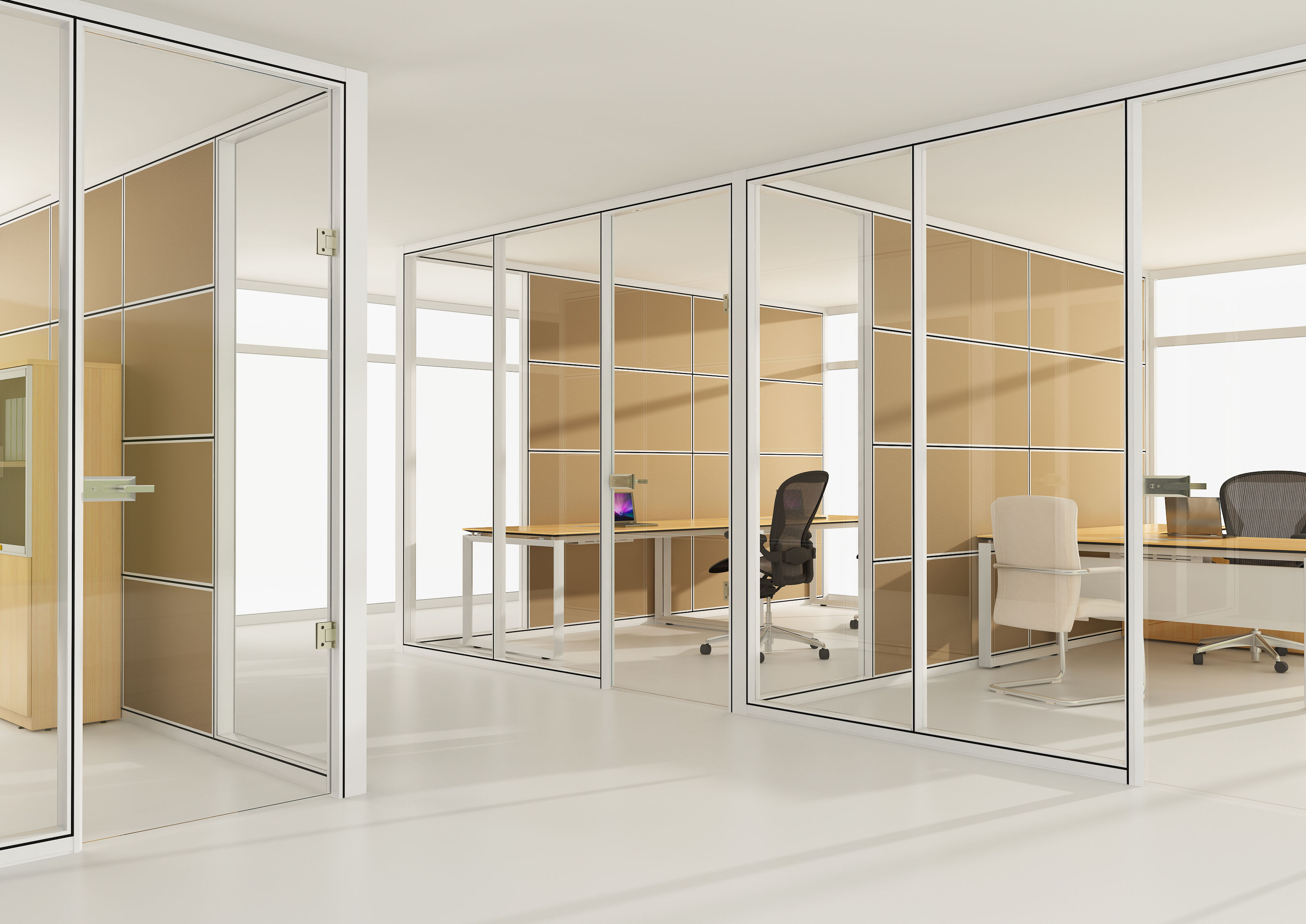
With hybrid work becoming the norm, company offices now need to handle several different tasks at once. Think about workers needing quiet spots for concentration one minute and then group meetings the next. The old school open office designs just don't cut it anymore. People get distracted easily in noisy environments, and studies suggest productivity drops around 40% when there's too much background chatter. That's where office partitions come in handy. They let companies create flexible zones that change based on what's needed each day without tearing things apart and rebuilding. Movable acoustic panels are great for this. One moment they're part of the wall, the next they've been shifted aside to make a temporary meeting room or quiet corner for someone deep in their work. This kind of adaptability matches how teams actually operate these days with ever changing schedules and project demands.
Partitions do more than just offer flexibility they actually help boost employee well being and workplace efficiency. Glass partition systems let people see across spaces and keep natural light flowing through offices, but they also cut down on background noise. Around two thirds of workers say unwanted sounds are what stops them from focusing properly. When workplaces strike that right mix of open space and sound control, studies show something interesting happens the brain doesn't have to work so hard. Complex tasks get done with fewer mistakes about a quarter less error rate according to recent research. For businesses looking at keeping talent, these kinds of adjustable office layouts make sense long term too. They protect company investments in physical space as work styles continue changing over time.
Acoustic Performance and Privacy: Core Benefits of Modern Office Partitions for Corporate Offices
Neuro-inclusive design: How sound-absorbing partitions reduce cognitive load and support focus
Office partitions are doing something really important these days fighting against noise pollution, which 72% of people working in hybrid setups actually mention as their biggest distraction according to Gensler's 2024 report. When offices install those special sound absorbing panels between workspaces, they cut down on all that background noise from coworkers chatting and machines running around. Some research from Ponemon in 2023 shows these partitions can reduce unwanted sounds by about 40%, making it easier for folks to concentrate without constant interruptions. And what does this mean practically? Well, studies have found that better control over office acoustics actually helps lower stress levels in workers. Plus, employees get back roughly 19 extra minutes each day for focused, uninterrupted work when their environment isn't constantly distracting them.
From noise complaints to measurable KPIs: Acoustic optimization in corporate real estate strategy
Forward-thinking organizations now treat acoustics as quantifiable KPIs rather than subjective complaints. Modular partitions with NRC-rated materials convert open floors into activity-based zones while tracking:
| Performance Metric | Average Improvement | Data Source |
|---|---|---|
| Focus task completion | 34% faster | Leesman Index 2024 |
| Collaboration clarity | 28% higher | JLL Workplace Report |
| Noise-related work errors | 42% reduction | Harvard BRS 2023 |
This data-driven approach shifts real estate strategy from reactive fixes to predictive design; where partitions become sensors for optimizing spatial equity. By integrating acoustic performance into occupancy analytics, facilities teams demonstrate tangible ROI through reduced turnover costs and measurable well-being gains.
Flexibility and Adaptability: Modular Office Partitions for Corporate Offices Enable Activity-Based Working
Dynamic zoning with movable partitions: Supporting reservable, hybrid-ready workspaces
Corporate offices are changing thanks to movable partitions that let spaces adjust to what's needed each day. Workers can easily move around those wheeled sound barriers to create different work areas as needed. The whole setup works well with activity based working ideas since staff members can book meeting spots or quiet corners through their phones or computers. These flexible setups beat traditional walls hands down when it comes to rearranging spaces fast. According to Gensler research from 2025, offices save about 34% time on moving things around compared to fixed walls, which means less wasted time when switching up the workspace. Companies with hybrid teams find this especially useful because they can switch from group brainstorm sessions to solo work stations in just a few hours instead of waiting days for contractors to do the job.
Integrated systems: Coupling partitions with modular furniture for seamless reconfiguration
Office partitions that link up with modular desks and storage solutions form cohesive work environments that adapt when organizations need to change their setup. These interchangeable parts fit together much like LEGO bricks for buildings, so facility managers can take apart old stations or build new ones without hiring contractors for major renovations. According to industry research from IFMA in 2025, this kind of flexible arrangement reduces the cost of rearranging spaces by around 41% compared to doing full-scale overhauls, all while keeping things looking neat and professional throughout. When companies combine standing height desks with adjustable partitions, they gain the ability to grow or shrink departments every few months as business needs fluctuate, which helps HR plan better for changing staffing requirements. Plus, many modern partition systems come with built-in channels for power outlets and internet connections right within the frame itself, so workers don't end up tangled in wires whenever someone moves their desk around.
Measurable Impact: ROI, Space Utilization, and Employee Well-being Outcomes
Data-driven validation: 27% higher peak utilization and 42% less noise-related productivity loss
Office partitions aren't just about looks anymore they actually turn design spending into real business benefits that can be measured. Recent research from 2025 shows that when companies get their workspace divisions right, they see around 27 percent better use of space during busy times thanks to smarter zoning strategies. Plus, partitions designed with sound in mind cut down on productivity losses from noise by almost half, about 42%. These improvements boost return on investment because businesses save money on office space per person and employees stop wasting mental energy fighting distractions all day long. What's interesting too is how these physical dividers affect worker health. Companies that switch to modular partition systems tend to have about 31% fewer sick days related to stress and workers complete their focused tasks 19% more often. Facility managers are now tracking things like how much floor space each person actually needs versus what they're allocated, plus keeping records of distracting incidents throughout the day. This data helps show exactly how flexible partitions contribute to better operations while still caring about people's comfort in today's mixed work environments where some folks come in every day and others work remotely most of the time.
FAQ
What are the main benefits of using office partitions in corporate offices?
Office partitions offer flexible zones that improve both concentration and collaboration, reduce noise disruptions, and adapt workspace configurations to suit daily needs. They also enhance employee well-being and increase the efficiency of the work environment.
How do office partitions contribute to acoustic performance and privacy?
Sound-absorbing office partitions significantly reduce background noise, helping employees focus better by lowering cognitive load and stress levels. This contributes to improved productivity and employee satisfaction.
Are office partitions cost-effective for corporate offices?
Yes, modular office partitions are cost-effective as they reduce the need for major renovations, cut down on rearrangement costs, and help optimize space usage, leading to higher ROI.
How do movable partitions support hybrid working environments?
Movable partitions allow spaces to be dynamically adjusted for different activities, supporting hybrid work environments by enabling quick switches between team meetings, solo focus areas, and more.
Table of Contents
- Why Office Partitions for Corporate Offices Are Essential for Hybrid Work Success
- Acoustic Performance and Privacy: Core Benefits of Modern Office Partitions for Corporate Offices
- Flexibility and Adaptability: Modular Office Partitions for Corporate Offices Enable Activity-Based Working
- Measurable Impact: ROI, Space Utilization, and Employee Well-being Outcomes
- FAQ