 EN
EN


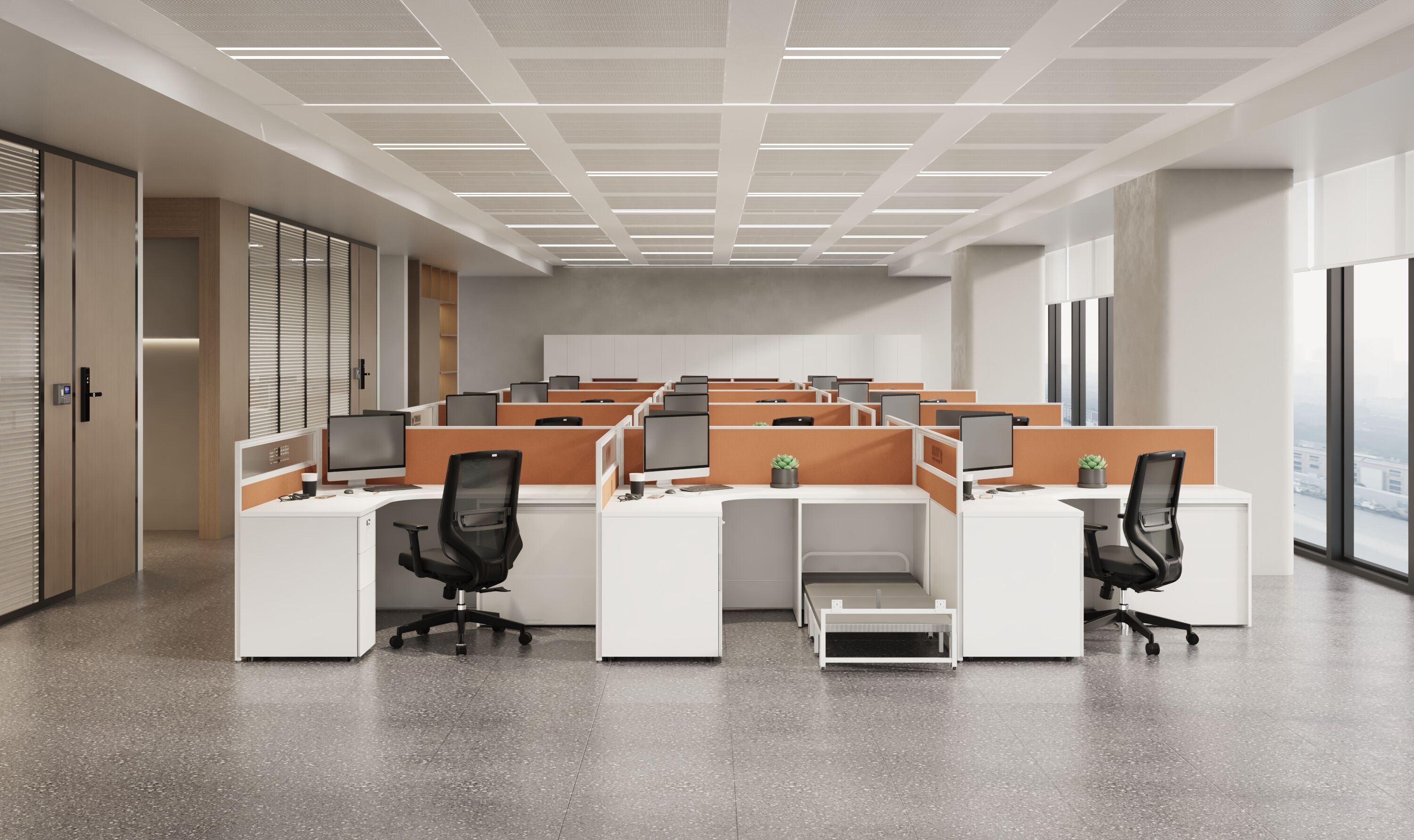
Strategic Selection of Custom Commercial Office Furniture to Align with Workflow and Space Efficiency
Mapping employee roles and task flows to inform furniture functionality and placement
Analyzing employee workflows identifies precise furniture needs before procurement. For example, intensive computer users require height-adjustable desks with monitor arms, while mobile staff benefit from modular workstations near collaboration zones. This data-driven approach ensures custom commercial office furniture supports task-specific movements—minimizing reach distances by 31% and reducing physical strain. A leading healthcare provider mapped nurse stations to medication storage areas, cutting retrieval times by half. Prioritize ergonomic adjustability and proximity to shared resources like printers to eliminate unnecessary motion.
Zone-based layout design using custom commercial office furniture to minimize movement waste and boost collaboration
Strategic zoning creates efficient pathways between functional areas. Divide spaces into three primary zones using tailored solutions:
| Zone Type | Purpose | Furniture Solutions | Benefit |
|---|---|---|---|
| Focus Zones | Individual deep work | Soundproof pods, task chairs | 47% productivity gain (Gensler 2023) |
| Collaboration Hubs | Team ideation | Mobile tables, writable surfaces | 29% faster project completion |
| Transition Areas | Quick exchanges & resource access | Compact storage units, kiosks | 60% reduced cross-office traffic |
Place collaboration hubs centrally between departments to spark spontaneous interactions, while situating printers in transition areas prevents workflow interruptions. This intentional arrangement using flexible custom pieces cut average daily steps per employee from 3,200 to 1,800 in a tech firm case study.
Ergonomic Integration: How Custom Commercial Office Furniture Supports Health and Sustained Productivity
Evidence-backed sit-stand desk adoption and seating systems in custom commercial office furniture
Research confirms that integrating sit-stand desks reduces lower back pain by 40% and improves productivity by 17% (Ergonomics Society 2023). These adjustable workstations—combined with chairs featuring lumbar support and dynamic tilt mechanisms—directly combat sedentary fatigue while enhancing circulation. Modular seating systems further accommodate diverse body types through customizable seat depth, armrest height, and tension control. This scientific approach transforms workstations into adaptable health hubs that minimize musculoskeletal disorders while sustaining focus during extended tasks.
Balancing ergonomic customization with long-term employee well-being and performance metrics
Strategic ergonomic design extends beyond immediate comfort to measurable organizational outcomes. Consider these evidence-backed approaches:
| Metric | Short-Term Impact | Long-Term Benefit |
|---|---|---|
| Pain Reduction | 32% decrease in complaints | 45% lower injury claims (3 years) |
| Task Efficiency | 11% faster output | 19% sustained improvement |
| Absenteeism | 27% reduction | 36% decrease (Ponemon 2024) |
Continuous feedback loops through posture assessments and usage analytics ensure solutions evolve with workforce needs—preventing over-customization while maintaining alignment with well-being benchmarks. By correlating adjustability ranges with productivity data, facilities achieve the optimal intersection of individual support and enterprise performance.
Future-Proofing Through Modular and Reconfigurable Custom Commercial Office Furniture
Cost and timeline advantages: modular systems reduce re-fit expenses by up to 40% over five years
Modular commercial furniture delivers unparalleled cost efficiency by transforming office reconfiguration from capital-intensive projects into streamlined processes. Unlike static installations, reconfigurable components enable targeted updates—swapping individual workstations or expanding collaborative zones—without full-scale demolition. This precision reduces material waste by approximately 30% and slashes labor requirements by 50%, cutting project timelines from weeks to days. The scalability also eliminates recurring furniture replacement cycles; teams can adapt existing systems to new workflows, avoiding complete overhauls. Industry data confirms these operational advantages translate to long-term savings, with modular approaches reducing cumulative re-fit expenditures by up to 40% over five-year periods.
Cost savings comparison: modular vs traditional furniture
| Metric | Modular Systems | Traditional Furniture |
|---|---|---|
| Avg. reconfiguration cost | $14k–$22k | $38k–$55k |
| Project duration | 3–7 days | 2–4 weeks |
| 5-year cost reduction | 35–40% | Baseline |
| Based on commercial facility management benchmarks |
The flexibility extends beyond immediate savings—future expansions or departmental shifts become frictionless transitions rather than budget-draining events, preserving capital for core business growth.
Brand-Aligned Customization: Unifying Aesthetics, Identity, and Functional Requirements
Custom commercial office furniture transcends mere utility when aligned with organizational identity. Integrating brand colors, logos, and design ethos into workstations, lounge areas, and collaborative zones transforms physical spaces into cohesive brand experiences. This strategic fusion reinforces corporate culture visually while addressing functional needs—for example, tailored reception desks that showcase brand motifs yet accommodate visitor management workflows. Evidence confirms that consistent environmental branding elevates employee belonging by 23% (Workplace Psychology Journal 2023) and strengthens client recall. Beyond aesthetics, material choices and modular configurations must support daily operations: durable surfaces for high-traffic zones or sound-absorbing partitions in client-facing areas. The convergence of identity and practicality ensures spaces not only reflect who the organization is but actively enable how it operates.
FAQ
Why is mapping employee roles important in selecting office furniture?
Mapping employee roles ensures that furniture choices directly support their tasks and workflows, reducing physical strain and improving efficiency.
What are the typical benefits of ergonomic custom office furniture?
Ergonomic office furniture reduces physical complaints, enhances productivity, and lowers absenteeism rates, which leads to long-term organizational benefits.
How do modular systems save costs compared to traditional furniture?
Modular systems reduce re-fit expenses by enabling targeted updates and minimizing labor requirements, eliminating the need for full-scale overhauls.
Can custom commercial office furniture support brand identity?
Yes, custom office furniture can integrate brand elements like colors and logos to visually reinforce corporate culture and operational functionality.
Table of Contents
- Strategic Selection of Custom Commercial Office Furniture to Align with Workflow and Space Efficiency
- Ergonomic Integration: How Custom Commercial Office Furniture Supports Health and Sustained Productivity
- Future-Proofing Through Modular and Reconfigurable Custom Commercial Office Furniture
- Brand-Aligned Customization: Unifying Aesthetics, Identity, and Functional Requirements
- FAQ