 EN
EN


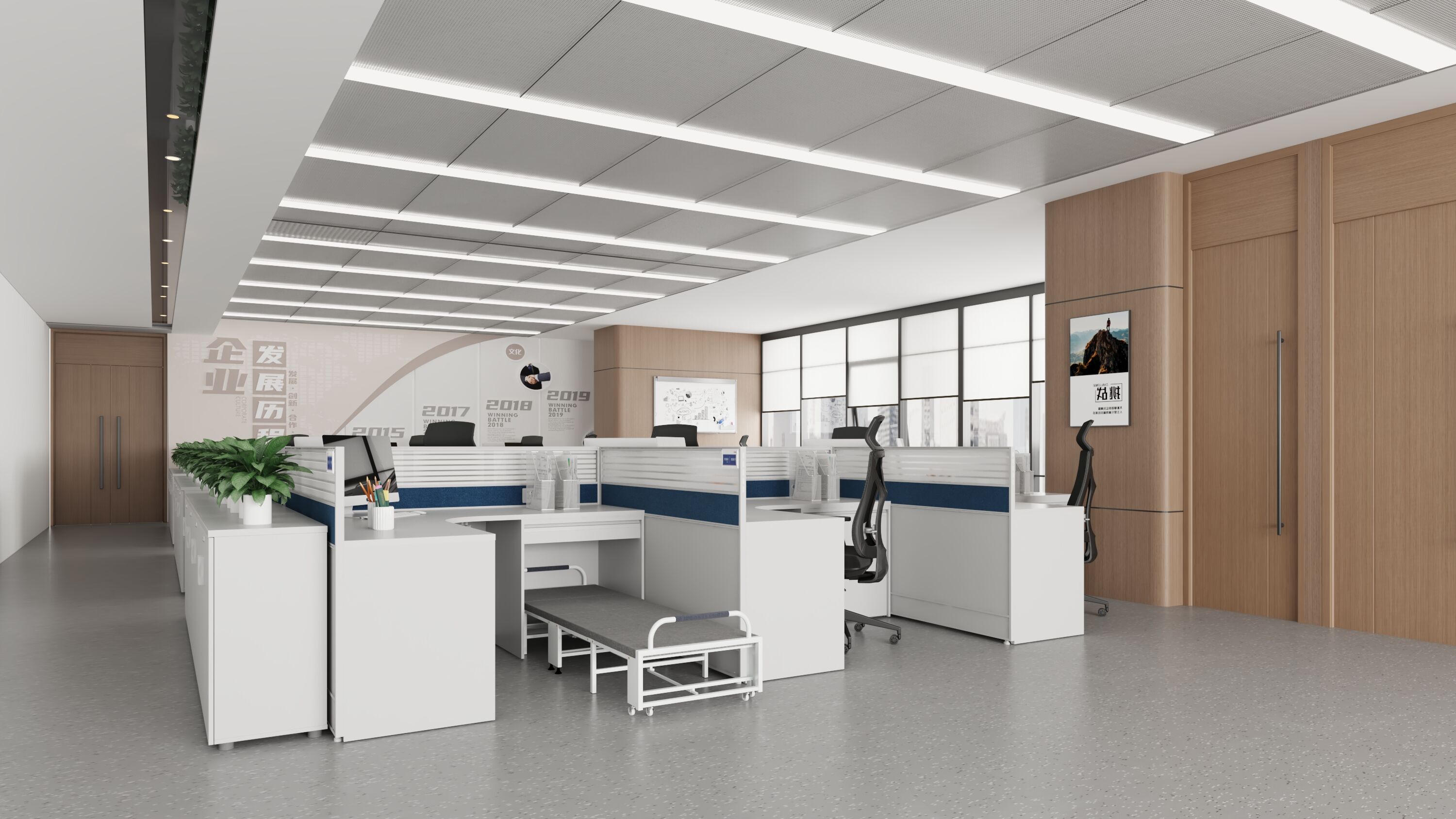
Why Partnering with Top Contract Furniture Manufacturers Drives Project Success
Partnering with leading contract furniture manufacturers directly impacts project outcomes through quality assurance and risk mitigation. These established partners bring specialized expertise in commercial-grade materials and production scalability—ensuring furniture meets rigorous durability standards while accommodating complex order volumes. Their involvement during early planning phases prevents costly redesigns: projects with manufacturer collaboration at the pre-design stage experience 30% fewer change orders, according to industry analyses.
By leveraging their supply chain networks and regulatory knowledge—including certifications like BIFMA and GREENGUARD—teams avoid delays from material shortages or compliance missteps. This proactive approach maintains timelines while optimizing budgets: standardized specifications reduce waste by up to 25% compared to fully custom solutions. Ultimately, aligning with top-tier manufacturers transforms procurement from transactional purchasing into a value-driven partnership where reliability, technical insight, and responsive after-sales support become competitive advantages.
How to Evaluate and Select the Right Top Contract Furniture Manufacturers
Assessing Proven Expertise, Certifications, and Scalable Production Capacity
Prioritize manufacturers with documented experience across full workplace design cycles—not just isolated projects. Verified certifications such as BIFMA (Business and Institutional Furniture Manufacturers Association) and ISO 9001 signal robust quality management systems, reducing defect risks by 34%, per 2023 manufacturing data. Go beyond logos: validate scalability through third-party facility audits, multi-shift operational capacity for urgent deadlines, and strategic material inventory buffers that insulate against supply chain volatility.
Transparency in production timelines is equally critical—partners who publish realistic, milestone-aligned lead times prevent 71% of project bottlenecks reported in AEC (Architecture, Engineering, Construction) surveys.
Balancing Brand Reputation with Project-Specific Flexibility and Responsiveness
While brand recognition signals stability, it shouldn’t substitute for demonstrable adaptability. Use this balanced framework to assess responsiveness:
| Consideration | Reputation Focus | Flexibility Focus |
|---|---|---|
| Change Management | Fixed specifications | Rapid design iterations |
| Lead Times | Standardized schedules | Accelerated options |
| Customization | Limited SKU variations | Client-driven modifications |
Cross-reference testimonials with objective metrics—manufacturers resolving specification changes within 48 hours achieve 29% higher stakeholder satisfaction, per 2024 procurement analyses. Demand evidence of prototyping agility and dedicated project liaisons—not just marketing claims.
Collaborating Early: Integrating Top Contract Furniture Manufacturers into Workplace Strategy
Leveraging Manufacturer Insights During Pre-Design and Space Planning
Involving top contract furniture manufacturers during initial planning—not as vendors, but as strategic advisors—transforms workplace outcomes. Their material science expertise informs durability, ergonomics, and sustainability decisions before drawings are finalized. Studies show early collaboration reduces design errors by 32%, preventing mid-project rework and preserving budget integrity.
Manufacturers contribute actionable insights such as:
- Ergonomic configurations calibrated for specific task zones (e.g., focus work vs. collaborative hubs)
- Modular systems designed for future reconfiguration without full replacement
- Sustainable material alternatives aligned with WELL Building Standard or LEED v4.1 requirements
They also share real-world installation intelligence—like optimal clearances for service access or HVAC integration—that renders and specs often overlook. This grounded perspective strengthens both functionality and buildability.
Co-Defining Realistic Timelines, Budgets, and Change Management Protocols
Jointly establishing project parameters with manufacturers mitigates execution risk. Transparently sharing budget constraints enables them to recommend value-engineered solutions—such as hybrid material selections or phased delivery—that preserve performance without inflating cost.
Key co-development actions include:
- Mapping custom component lead times against construction milestones to identify critical path dependencies
- Building buffer strategies for material availability fluctuations—especially for specialty finishes or imported components
- Formalizing change-order protocols with clear thresholds for scope adjustments, approval workflows, and cost/time impact modeling
Projects using this integrated approach report 28% fewer timeline overruns (Commercial Interiors Journal, 2023). Crucially, integrating manufacturers’ production scheduling data into BIM workflows allows real-time adjustments when design iterations occur—maintaining alignment even amid uncertainty.
Sustaining Long-Term Value Through Transparent Communication and After-Sales Partnership
Standardizing Digital Collaboration (BIM/CAD) and Specification Handoffs
Implementing uniform digital workflows—using native BIM objects and CAD libraries aligned with manufacturers’ production parameters—prevents costly specification errors and version conflicts. Cloud-based, real-time platforms enable seamless data exchange between designers, contractors, and manufacturers, eliminating misaligned assumptions during handoffs. Industry benchmarks confirm standardization reduces revision cycles by 30% (2023 construction data).
Maximizing ROI with Comprehensive Warranty, Maintenance, and Lifecycle Support
Proactive after-sales partnerships extend furniture lifespan and protect capital investment. Multi-year structural warranties reflect manufacturer confidence—and accountability—in long-term performance. Scheduled maintenance programs prevent premature wear, extending product usability up to 40% beyond standard lifecycles. Lifecycle optimization services go further: offering reconfiguration support, refurbishment pathways, and responsible end-of-life disposal aligned with circular economy principles.
This comprehensive, partnership-based model delivers 23% higher ROI than transactional procurement approaches (Facility Management Journal, 2024).
FAQ
What benefits do top contract furniture manufacturers offer?
Top manufacturers provide quality assurance, risk mitigation, and expertise in commercial-grade materials and scalable production, ensuring durable and compliant furniture.
How can I select the right contract furniture manufacturer?
Evaluate manufacturers based on documented experience, certifications like BIFMA, scalability, transparency in timelines, and their adaptability to project-specific needs.
Why is early collaboration with manufacturers important?
Early collaboration offers insights into material science, ergonomics, and sustainability, reducing design errors by 32% and preventing rework.
How do digital workflows enhance collaboration?
Standardized digital workflows prevent specification errors and aid seamless data exchange, reducing revision cycles by 30%.
Table of Contents
- Why Partnering with Top Contract Furniture Manufacturers Drives Project Success
- How to Evaluate and Select the Right Top Contract Furniture Manufacturers
- Collaborating Early: Integrating Top Contract Furniture Manufacturers into Workplace Strategy
- Sustaining Long-Term Value Through Transparent Communication and After-Sales Partnership
- FAQ