Kostenloses Angebot anfordern

Unser Vertreter wird Sie in Kürze kontaktieren.
E-Mail
Name
Unternehmensname
Nachricht
0/1000

Xiangshi Furniture Group × Beijing Institute of Technology

Time : 2025-12-24

Beijing Institute of Technology

Ort: Zhuhai, Provinz Guangdong, China

Projektart: Apartment-Möbel, Büro-Möbel

Als nationale Universität der Kategorie „Double First-Class“ verfolgt der Zhuhai-Campus des Beijing Institute of Technology einen „innovativen, internationalen und umfassenden“ Bildungsansatz und fördert vielseitig talentierte Studierende mit akademischer Exzellenz und praktischen Fähigkeiten.

Als Auftragnehmer für das Projekt zur Renovierung von Studentenwohnheimen und öffentlichen Räumen verfolgte die Xiangshi Furniture Group eine zentrale Designphilosophie, nach der „ökologische Verträglichkeit und Gesundheit an erster Stelle stehen“. In enger Abstimmung mit dem Campus-Kontext wurden alle kommerziellen Möbelkonfigurationen anhand von drei zentralen Kriterien entwickelt: Umweltsicherheit, Langlebigkeit und Komfort. Vom Material bis zum funktionellen Design folgte der gesamte Prozess einer menschenzentrierten Logik, um Campus-Räume zu schaffen, die sowohl komfortables Wohnen als auch aktives Lernen unterstützen.
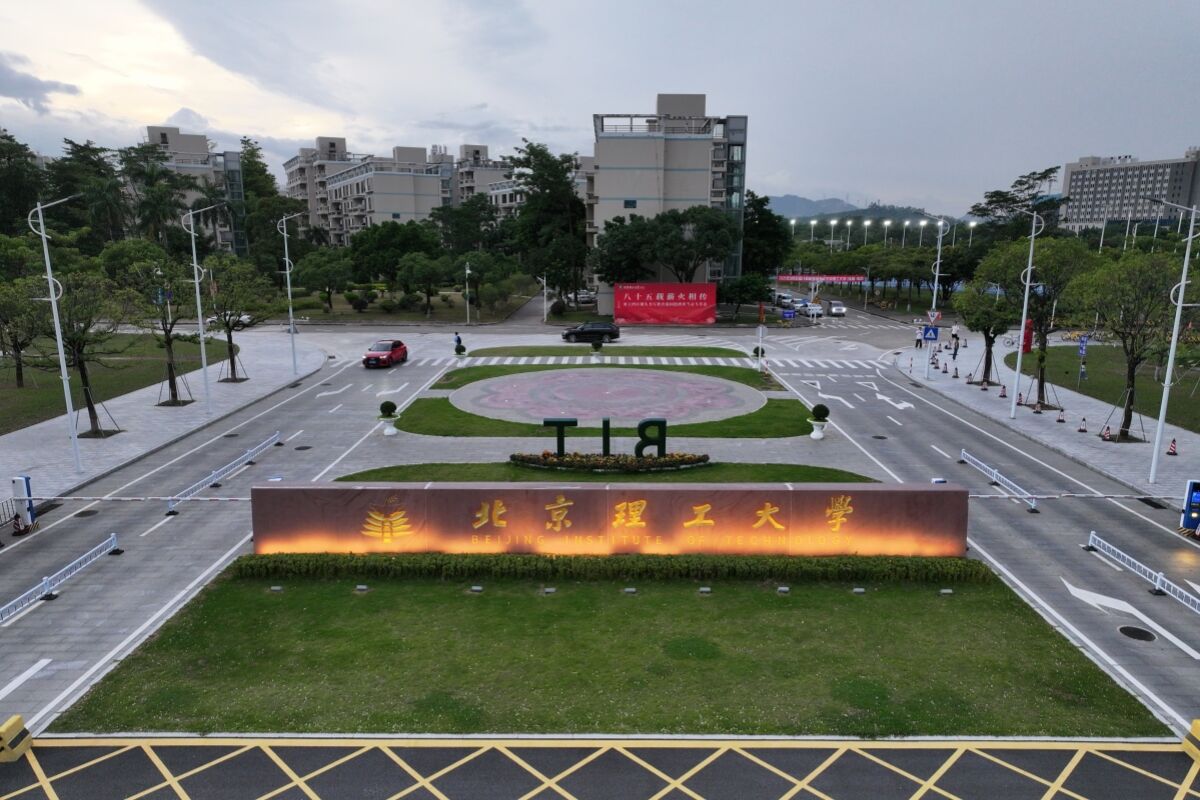
Xiangshi Furniture Group × Beijing Institute of Technology

Wohnheimbereich: Ökologische Materialien im Einklang mit räumlicher Effizienz
Als primärer Lebensraum für Studierende wurde das Wohnheim unter den Leitbegriffen Langlebigkeit und räumliche Effizienz konzipiert, um ein sicheres und praktisches „zweites Zuhause“ zu schaffen.

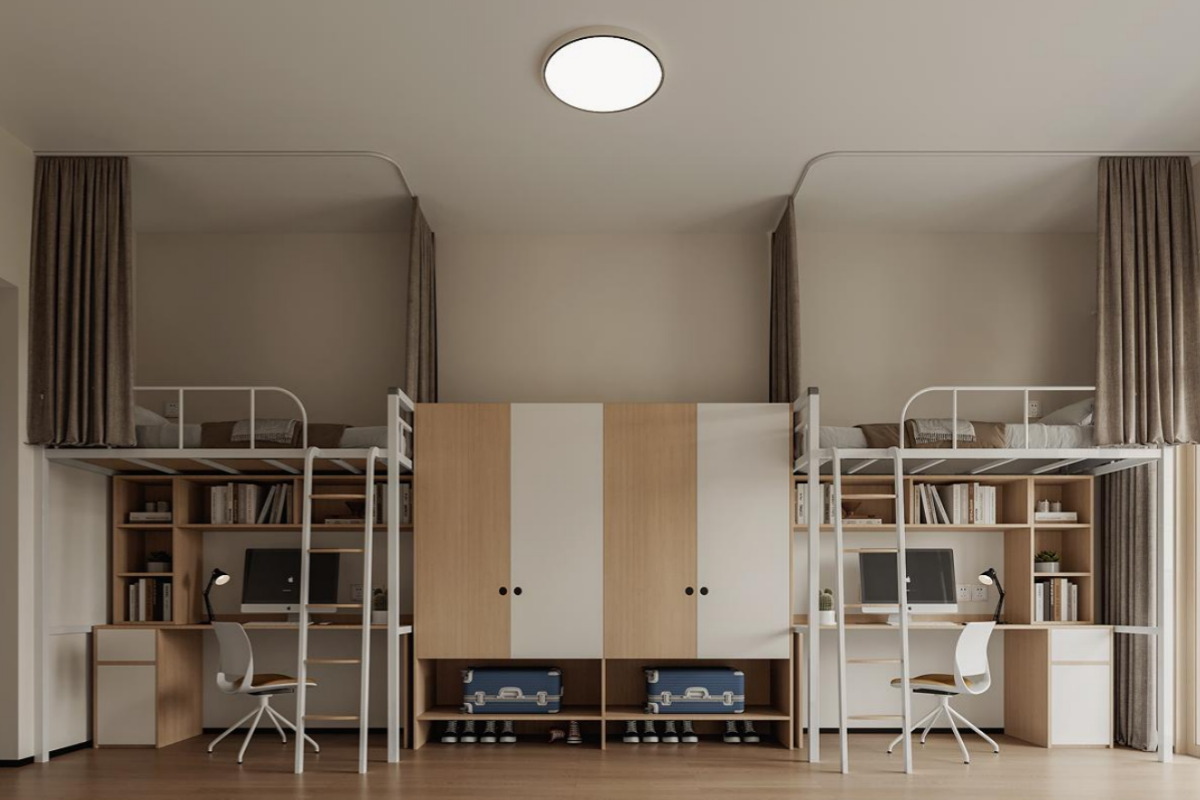
Alle Möbel für die Schlafsäle verwenden E0-qualitative umweltfreundliche Platten gemäß dem neuen nationalen Standard, wodurch Gefahren durch schädliche Substanzen wie Formaldehyd bereits an der Quelle ausgeschlossen werden. Das Holz-Weiß-Farbkonzept bei Kleiderschränken, Schreibtischen und Bettgestellen verleiht der sicheren Umgebung eine behagliche Wärme.

Jeder Bettbereich verfügt über eine dreidimensionale Anordnung, die Hochbett, Lernplatz, Kleiderschrank und offene Ablagefächer integriert. Der Doppeltür-Kleiderschrank verfügt über innere Unterteilungen für Hänge- und Faltlagerung sowie ein unteres Fach für Koffer und saisonale Gegenstände. Mehrlagige Regale über dem Schreibtisch bilden eine effiziente Lernnische und ermöglichen so eine vertikale Integration der Funktionen Lernen, Speichern und Ruhen.

Beschläge für Schubladen und Kleiderschränke stammen von führenden Markenherstellern, wurden auf mehr als 100.000 Öffnungs- und Schließzyklen getestet und erfüllen hinsichtlich Korrosions- und Rostbeständigkeit branchenführende Standards – die Lebensdauer der Möbel wird so durch detailorientiertes Design verlängert.
come first.” Deeply aligned with the campus context, all commercial furniture configurations were developed around three key standards: environmental safety, durability, and comfort. From material selection to functional design, the process followed a human-centered logic, aiming to create campus spaces that support both comfortable living and engaged learning.  Xiangshi Furniture Group × Beijing Institute of Technology  Dormitory Space: Balancing Eco-Friendly Materials with Spatial Efficiency

Gemeinschaftsbereiche: Soziale Räume mit einem „grenzenlosen Lernen“-Konzept aktivieren
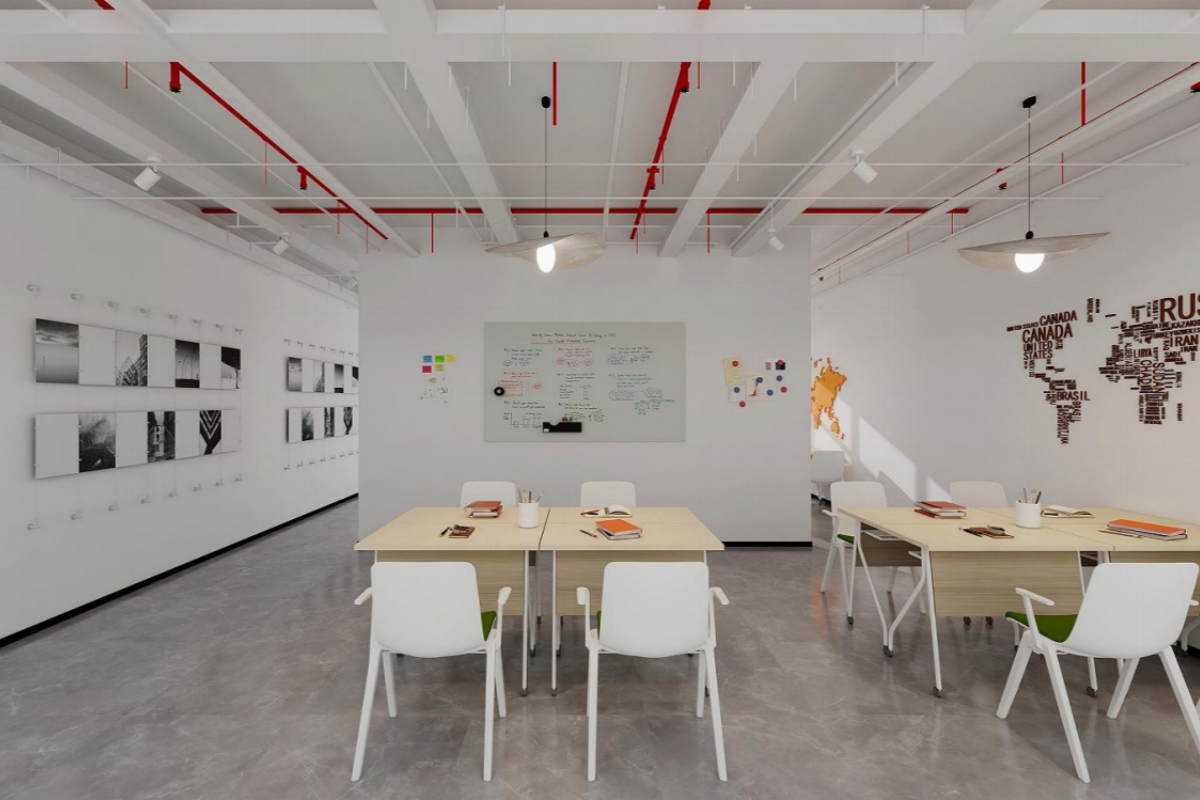
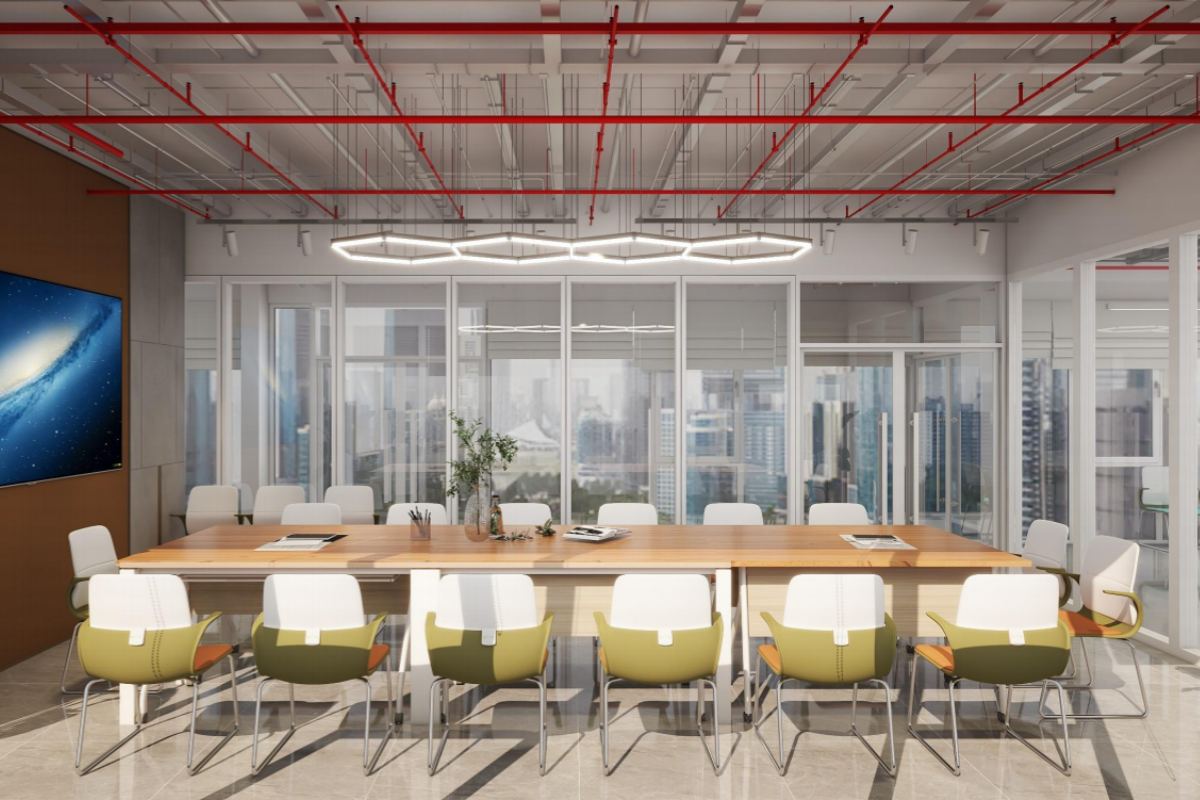
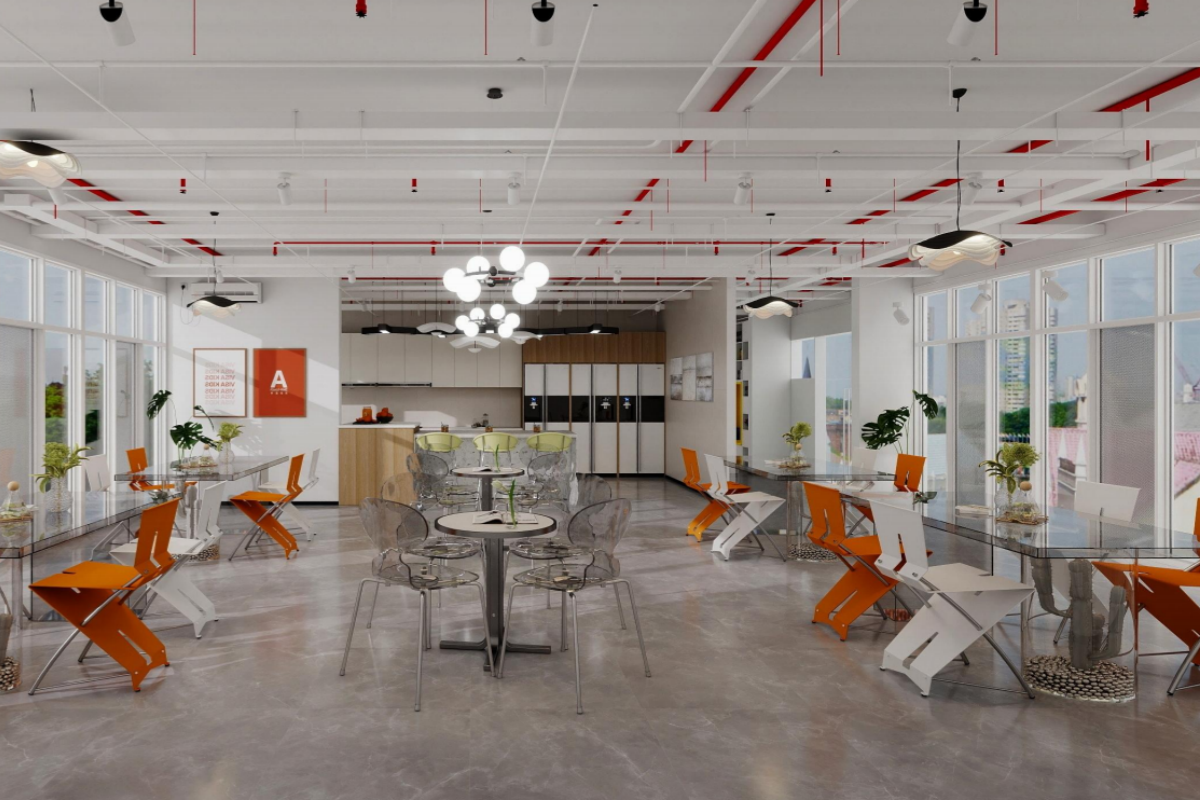
Für öffentliche Bereiche wie Seminarräume, Lernsäle, Aktionszonen und Diskussionslounges entwickelte Xiangshi flexible und anpassbare Module, die auf den umfassenden Bedürfnissen der Studierenden im Bereich Lernen–Sozialisieren–Erholen basieren.

Seminarräume stehen im Zentrum von langen Tischen und beweglichen Stühlen und werden durch Whiteboard- und Regal-Trennwandmodule ergänzt, um dynamische kollaborative Szenarien wie Gruppendiskussionen, Brainstorming-Sitzungen und Projektpräsentationen zu unterstützen – was sowohl die Zusammenarbeits-Effizienz als auch den räumlichen Komfort verbessert.
comfort. From material selection to functional design, the process followed a human-centered logic, aiming to create campus spaces that support both comfortable living and engaged learning.  Xiangshi Furniture Group × Beijing Institute of Technology  Dormitory Space: Balancing Eco-Friendly Materials with Spatial Efficiency As the primary living environment for students, the dormitory was designed with durability + space efficiency as keywords, creating a safe and practical “second home.”  All dormitory furniture uses E0-grade eco-friendly boards compliant with the new national standard, eliminating risks from harmful substances such as formaldehyde from the source. The wood-and-white color scheme of wardrobe, desks, and bed frames adds a homely warmth to the secure environment.  Each bed space features a three-dimensional layout integrating loft bed + study desk + wardrobe + open shelving. The double-door wardrobe includes internal partitions for hanging and folded storage, with a lower compartment for suitcases and seasonal items. Multi-layer shelves above the desk form an efficient study corner, achieving vertical integration of study, storage, and rest functions.  Drawer and wardrobe hardware are selected from top-tier brands, tested for over 100,000 open-close cycles, with corrosion and rust resistance meeting industry-leading standards—extending furniture lifespan through detail-oriented design.  come first.” Deeply aligned with the campus context, all commercial furniture configurations were developed around three key standards: environmental safety, durability, and comfort. From material selection to functional design, the process followed a human-centered logic, aiming to create campus spaces that support both comfortable living and engaged learning.  Xiangshi Furniture Group × Beijing Institute of Technology  Dormitory Space: Balancing Eco-Friendly Materials with Spatial Efficiency  Public Areas: Activating Social Spaces with a “Borderless Learning” Concept


comfort. From material selection to functional design, the process followed a human-centered logic, aiming to create campus spaces that support both comfortable living and engaged learning.  Xiangshi Furniture Group × Beijing Institute of Technology  Dormitory Space: Balancing Eco-Friendly Materials with Spatial Efficiency As the primary living environment for students, the dormitory was designed with durability + space efficiency as keywords, creating a safe and practical “second home.”  All dormitory furniture uses E0-grade eco-friendly boards compliant with the new national standard, eliminating risks from harmful substances such as formaldehyde from the source. The wood-and-white color scheme of wardrobe, desks, and bed frames adds a homely warmth to the secure environment.  Each bed space features a three-dimensional layout integrating loft bed + study desk + wardrobe + open shelving. The double-door wardrobe includes internal partitions for hanging and folded storage, with a lower compartment for suitcases and seasonal items. Multi-layer shelves above the desk form an efficient study corner, achieving vertical integration of study, storage, and rest functions.  Drawer and wardrobe hardware are selected from top-tier brands, tested for over 100,000 open-close cycles, with corrosion and rust resistance meeting industry-leading standards—extending furniture lifespan through detail-oriented design.  come first.” Deeply aligned with the campus context, all commercial furniture configurations were developed around three key standards: environmental safety, durability, and comfort. From material selection to functional design, the process followed a human-centered logic, aiming to create campus spaces that support both comfortable living and engaged learning.  Xiangshi Furniture Group × Beijing Institute of Technology  Dormitory Space: Balancing Eco-Friendly Materials with Spatial Efficiency  Public Areas: Activating Social Spaces with a “Borderless Learning” Concept-1

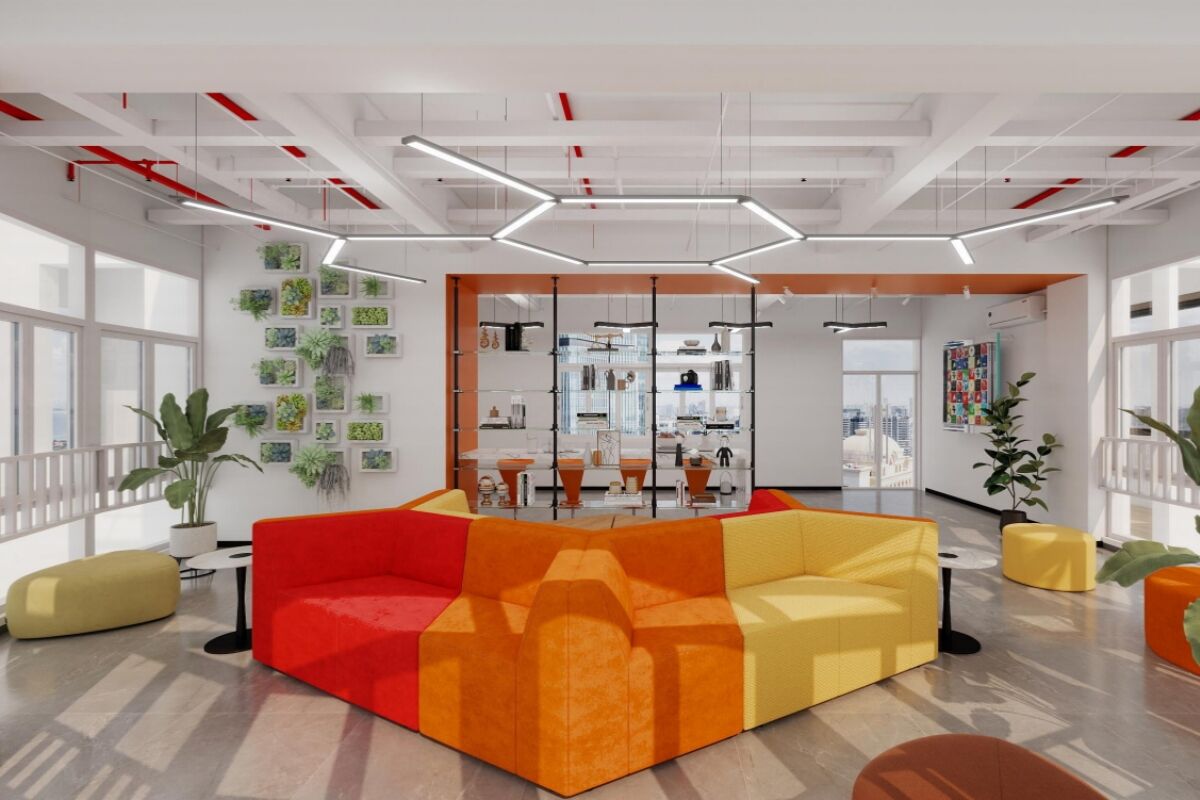
Die gemeinschaftlich genutzte Lounge verfügt über ein lebhaft orangefarbenes Ecksofa als sozialen Mittelpunkt, kombiniert mit beweglichen Tischen und Stühlen in passenden Farbtönen für flexible Sitzmöglichkeiten. Mit Grünflächen akzentuiert, ermöglicht die Aufteilung in Entspannungsbereich (mit Sofa) und Interaktionsbereich (mit Langtisch) eine nahtlose Unterbringung verschiedener sozialer Aktivitäten – von ungezwungenen Gesprächen und Clubtreffen bis hin zu spontanen Versammlungen.
comfort. From material selection to functional design, the process followed a human-centered logic, aiming to create campus spaces that support both comfortable living and engaged learning.  Xiangshi Furniture Group × Beijing Institute of Technology  Dormitory Space: Balancing Eco-Friendly Materials with Spatial Efficiency As the primary living environment for students, the dormitory was designed with durability + space efficiency as keywords, creating a safe and practical “second home.”  All dormitory furniture uses E0-grade eco-friendly boards compliant with the new national standard, eliminating risks from harmful substances such as formaldehyde from the source. The wood-and-white color scheme of wardrobe, desks, and bed frames adds a homely warmth to the secure environment.  Each bed space features a three-dimensional layout integrating loft bed + study desk + wardrobe + open shelving. The double-door wardrobe includes internal partitions for hanging and folded storage, with a lower compartment for suitcases and seasonal items. Multi-layer shelves above the desk form an efficient study corner, achieving vertical integration of study, storage, and rest functions.  Drawer and wardrobe hardware are selected from top-tier brands, tested for over 100,000 open-close cycles, with corrosion and rust resistance meeting industry-leading standards—extending furniture lifespan through detail-oriented design.  come first.” Deeply aligned with the campus context, all commercial furniture configurations were developed around three key standards: environmental safety, durability, and comfort. From material selection to functional design, the process followed a human-centered logic, aiming to create campus spaces that support both comfortable living and engaged learning.  Xiangshi Furniture Group × Beijing Institute of Technology  Dormitory Space: Balancing Eco-Friendly Materials with Spatial Efficiency  Public Areas: Activating Social Spaces with a “Borderless Learning” Concept-2


comfort. From material selection to functional design, the process followed a human-centered logic, aiming to create campus spaces that support both comfortable living and engaged learning.  Xiangshi Furniture Group × Beijing Institute of Technology  Dormitory Space: Balancing Eco-Friendly Materials with Spatial Efficiency As the primary living environment for students, the dormitory was designed with durability + space efficiency as keywords, creating a safe and practical “second home.”  All dormitory furniture uses E0-grade eco-friendly boards compliant with the new national standard, eliminating risks from harmful substances such as formaldehyde from the source. The wood-and-white color scheme of wardrobe, desks, and bed frames adds a homely warmth to the secure environment.  Each bed space features a three-dimensional layout integrating loft bed + study desk + wardrobe + open shelving. The double-door wardrobe includes internal partitions for hanging and folded storage, with a lower compartment for suitcases and seasonal items. Multi-layer shelves above the desk form an efficient study corner, achieving vertical integration of study, storage, and rest functions.  Drawer and wardrobe hardware are selected from top-tier brands, tested for over 100,000 open-close cycles, with corrosion and rust resistance meeting industry-leading standards—extending furniture lifespan through detail-oriented design.  come first.” Deeply aligned with the campus context, all commercial furniture configurations were developed around three key standards: environmental safety, durability, and comfort. From material selection to functional design, the process followed a human-centered logic, aiming to create campus spaces that support both comfortable living and engaged learning.  Xiangshi Furniture Group × Beijing Institute of Technology  Dormitory Space: Balancing Eco-Friendly Materials with Spatial Efficiency  Public Areas: Activating Social Spaces with a “Borderless Learning” Concept-3

Menschenzentriertes Design: Möbel als unsichtbarer „Wachstumspartner“
Von umweltsicherem Schutz in Wohnheimen bis hin zur szenariobasierten Anpassung in öffentlichen Bereichen stellt Xiangshi stets die menschlichen Bedürfnisse in den Mittelpunkt des Designs. Im Projekt Campus BIT Zhuhai lieferte Xiangshi nicht nur Möbel, die den höchsten nationalen Umweltstandards entsprechen, sondern sorgte auch durch tiefgreifende Einblicke in Lebens- und Lerngewohnheiten der Studierenden dafür, dass jedes Produkt eine Verbindung von Funktion und Wärme verkörpert.

Auch zukünftig wird Xiangshi Nachhaltigkeit, Langlebigkeit und Humanisierung priorisieren und weitere menschenzentrierte Lösungen für gewerbliche Möblierung an Universitäten und in öffentlichen Räumen bereitstellen – dort, wo Design menschliches Wachstum und Entwicklung genuinely unterstützt.

Zurück:Keine

Weiter: Xiangshi durchbricht die Homogenität von Büromöbeln mit innovativem Design auf der Shanghai Möbelmesse

Kostenloses Angebot anfordern

Unser Vertreter wird Sie in Kürze kontaktieren.
E-Mail
Name
Unternehmensname
Nachricht
0/1000